Pork Pie Recipe & Historical Origins: Traditional British Cold Pie Classic
Pork Pie Recipe & Historical Origins: Traditional British Cold Pie Classic
“The British pork pie is a marvel of culinary engineering—seasoned pork in savory jelly, encased in sturdy hot water crust pastry that’s meant to be eaten cold, turning humble ingredients into picnic perfection.”
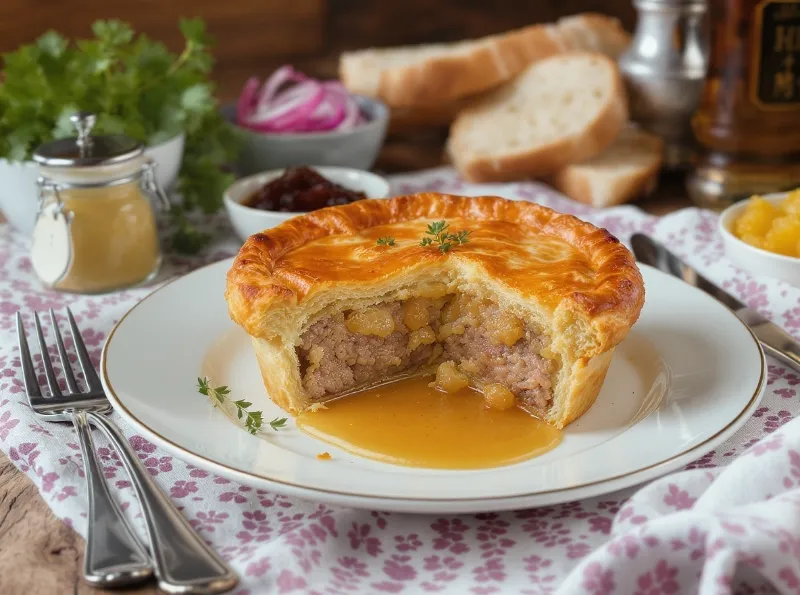
Pork pie stands as one of Britain’s most distinctive savory pies, featuring seasoned ground or chopped pork encased in hot water crust pastry and filled with savory meat jelly. Unlike most pies served hot, traditional pork pies are eaten cold or at room temperature, making them perfect for picnics, packed lunches, and pub snacks. The sturdy pastry holds its shape without support, while the jelly keeps meat moist and adds rich, savory flavor. This iconic British food represents centuries of tradition, regional pride, and practical ingenuity that created portable, satisfying meal that needs no reheating.
Table of Contents
Historical Origins
Pork pies date back to medieval England when sturdy pastry crusts served as cooking vessels and preservation methods. The thick, robust crust protected meat during long journeys, making pies ideal for travelers and workers. By the 18th century, Melton Mowbray in Leicestershire had become famous for pork pies, with local butchers developing distinctive recipe that remains protected by geographical indication today—authentic Melton Mowbray pork pies must be made in specific region using traditional methods.
The addition of pork jelly (or aspic) emerged as practical solution to preservation before refrigeration. The savory gelatin filled gaps between meat and pastry, creating seal that kept meat fresh longer while adding moisture and flavor. Victorian era saw pork pies become popular with working classes—affordable, portable, and filling, they provided sustenance for miners, factory workers, and farmers. The pies became quintessential British picnic food, appearing at cricket matches, horse races, and outdoor gatherings.
Different regions developed their own styles: Yorkshire pork pies tend to be larger and flatter, while Melton Mowbray pies feature distinctive bow-sided shape and use uncured pork. Post-war Britain saw mass production of pork pies, though artisanal butchers continue traditional hand-raised methods. Today’s pork pie remains beloved British institution, representing honest, unpretentious food that satisfies through quality ingredients and time-honored technique.
Best Pork for Pork Pie
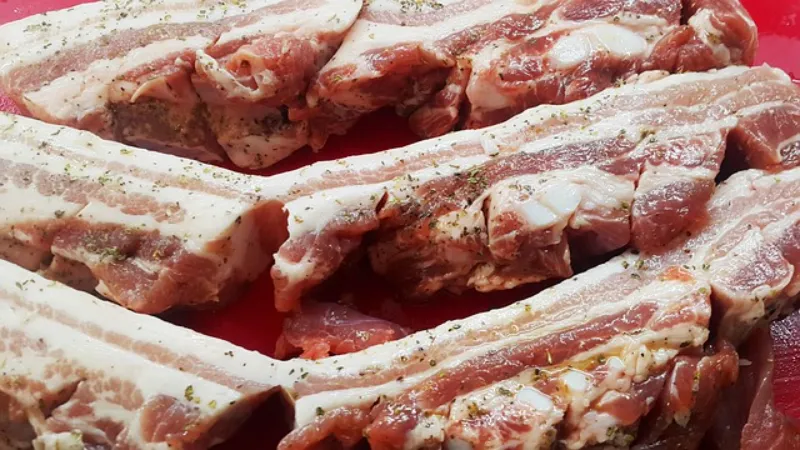
Traditional pork pies use pork shoulder (also called pork butt), which provides ideal fat-to-meat ratio for moist, flavorful filling. The 20-25% fat content keeps meat juicy and prevents dryness—lean pork creates disappointingly dry, crumbly filling. Some butchers include small amount of pork belly for extra richness and moisture. The meat should be coarsely ground or hand-chopped rather than finely minced—proper texture creates satisfying bite rather than paste-like consistency.
Authentic Melton Mowbray pork pies use uncured, fresh pork (gray when cooked rather than pink), distinguishing them from other varieties that use cured meat. The fresh pork provides cleaner, more pronounced pork flavor without ham-like taste. For home cooks unable to source specific cuts, combination of ground pork shoulder with good fat content produces excellent results. Avoid pre-seasoned ground pork, which may contain inappropriate flavorings—you need control over seasoning to achieve proper traditional taste.
Essential Ingredients and Their Roles
For the Hot Water Crust Pastry:
- 3½ cups all-purpose flour
- 1 teaspoon salt
- ¾ cup water
- ½ cup lard or shortening
For the Pork Filling:
- 2 pounds pork shoulder, coarsely ground or finely chopped
- 4 ounces pork belly, finely chopped (optional)
- 1 teaspoon salt
- 1 teaspoon ground white pepper
- ½ teaspoon ground mace or nutmeg
- ½ teaspoon dried sage
- ¼ teaspoon ground allspice
- 2 tablespoons cold water
For the Jelly:
- 2 cups pork or chicken stock (preferably homemade)
- 2 teaspoons powdered gelatin
- Salt to taste
For Assembly:
- 1 egg, beaten (for egg wash)
Preparation Techniques
Step 1: Make Hot Water Crust Pastry
Place flour and salt in large bowl, make well in center. Heat water and lard in saucepan until lard melts and mixture just begins to boil. Pour immediately into flour well and mix with wooden spoon until dough comes together. Turn out onto work surface and knead briefly until smooth. The dough will be very warm and pliable. Work quickly while still warm—hot water crust pastry stiffens as it cools. Reserve one-third for lid, keep warm wrapped in cloth.
Step 2: Hand-Raise or Mold the Pie
Traditional method involves “hand-raising”—shaping warm pastry around wooden dolly or jar, molding by hand into cylindrical shape with flat base. For easier method, press warm dough into greased springform pan or pie mold, working quickly to create even walls about ⅜-inch thick. The base and walls should be seamless. Leave no gaps—hot water crust is sturdy but any holes will leak during baking.
Step 3: Prepare and Fill
Combine all filling ingredients thoroughly, mixing until sticky and cohesive. Pack filling firmly into pastry case, pressing down to eliminate air pockets. The meat should dome slightly above pastry rim—it will shrink during cooking. Overfill rather than underfill; better to have excess than hollow pie.
Step 4: Add Top Crust and Seal
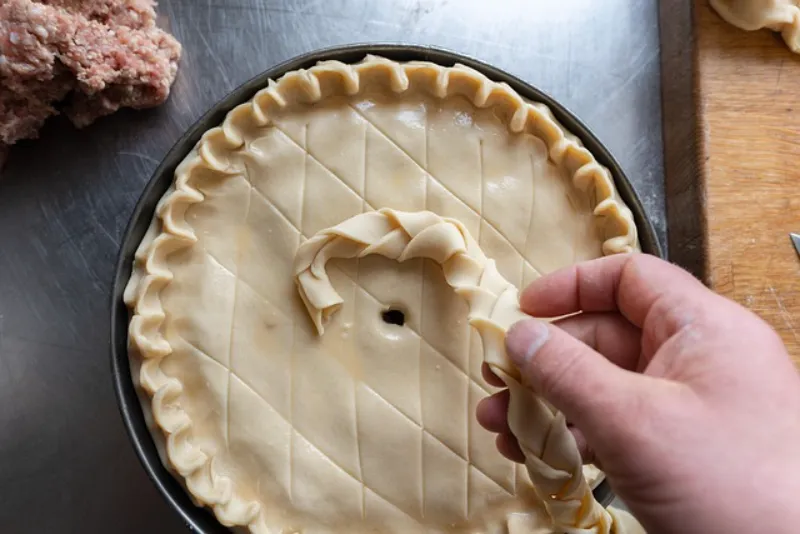
Roll reserved pastry into circle to fit top. Brush pastry rim with water, place lid over filling, press edges firmly to seal. Trim excess and crimp edges decoratively. Cut small hole (about ½-inch diameter) in center for steam to escape—this hole will also be used to add jelly later. Brush entire surface with beaten egg. Some bakers add decorative pastry leaves around steam hole.
Step 5: Bake the Pie
Preheat oven to 375°F. Place pie on baking sheet. Bake 30 minutes, then reduce heat to 350°F and bake 1 hour more for small pie (3-inch diameter), or 1½ hours for larger pie (6-inch diameter). The pastry should be deep golden brown and firm. If top browns too quickly, cover loosely with foil. Internal temperature should reach 160°F. Let cool to room temperature—this usually takes 3-4 hours.
Step 6: Add the Jelly
While pie cools, prepare jelly. Warm stock and dissolve gelatin, stirring until completely dissolved. Season with salt. Let cool to room temperature but still liquid. Once pie has cooled completely, slowly pour jelly through center hole using funnel or small jug. Add gradually, allowing jelly to settle and fill gaps between meat and pastry. You may need to pour in stages, waiting between additions. Refrigerate pie overnight to allow jelly to set firmly.
Regional and Cultural Variations
Melton Mowbray pork pies must use uncured pork, be hand-raised (not molded), and come from specific geographic area. They feature distinctive bow-sided shape from traditional hand-raising technique. Yorkshire pork pies tend to be larger, flatter, and often use cured pork creating pink filling. Gala pie adds layer of hard-boiled eggs through the center, creating attractive cross-section pattern—perfect for picnics and celebrations.
Some regional variations include herbs like sage more prominently, while others add anchovy essence for umami depth. Modern artisan bakers experiment with different meats—game pies with venison or wild boar, or combination pies mixing pork with chicken or rabbit. Piccalilli (British mustard pickle) is traditional accompaniment, providing sharp, tangy contrast to rich pork.
Serving Suggestions
Serve pork pie cold or at room temperature—never hot, which would melt the jelly and defeat the purpose of this traditional cold pie. Cut into thick slices (about 1-inch) or wedges. Traditional accompaniments include pickled onions, Branston pickle, or sharp English mustard that cuts through rich meat and pastry. Crusty bread and butter, crisp salad, or pickled vegetables provide contrast.
Pork pie is quintessential British pub fare, often appearing on plowman’s lunch plates alongside cheese, pickles, and bread. It’s perfect picnic food—requiring no refrigeration for several hours and needing no plates or utensils in a pinch. For elegant presentation, serve individual small pies with selection of chutneys and pickles. Pair with British ale, cider, or robust red wine that complements savory pork.
Storage and Reheating Options
Store pork pie refrigerated for up to 5 days—the jelly helps preserve meat. Some sources suggest pork pies taste better 2-3 days after making as flavors meld. Never reheat pork pie; it’s designed to be eaten cold. The jelly will melt if heated, and the pastry becomes greasy rather than crisp. Bring to room temperature 30 minutes before serving for best flavor.
Pork pies freeze reasonably well for up to 1 month, though purists argue freezing compromises texture. Wrap tightly in plastic wrap, then foil. Thaw overnight in refrigerator. The jelly may separate slightly after freezing but remains edible. For best results, enjoy fresh or within a week of making.
Tips for Perfect Pork Pie
Work quickly with hot water crust pastry while still warm—it becomes brittle and unworkable as it cools. If pastry cools too much during assembly, warm gently over steaming water to restore pliability. Don’t try to make hot water crust ahead and reheat later; make fresh and use immediately.
Pack meat filling firmly into pastry case to eliminate air pockets. Loose filling creates gaps that the jelly can’t adequately fill, resulting in hollow areas in finished pie. Use your hands to compress meat thoroughly—it should feel dense and solid.
Don’t add jelly until pie has cooled completely. Hot or even warm pie will melt gelatin before it sets. Room temperature or cold pie allows jelly to settle properly and set firmly overnight. Patience here ensures proper texture and appearance.
Season filling boldly—cold food requires more seasoning than hot food to taste properly flavored. What seems well-seasoned when warm may taste bland when cold. Taste raw filling (yes, raw) and adjust seasoning—it should taste slightly over-seasoned.
Common Mistakes to Avoid
Don’t use lean pork, which creates dry, disappointing filling. The fat content is essential for moisture and flavor in cold pie. Accept that proper pork pie contains fat—it’s part of authentic recipe and eating experience.
Avoid making pastry too thin, which causes cracks and leaks during baking. Hot water crust should be sturdy—about ⅜-inch thick minimum. This isn’t delicate French pastry; it’s meant to be robust container that holds shape and protects contents.
Don’t skip the jelly, which isn’t just garnish but essential component that keeps meat moist, adds flavor, and acts as preservative. Pork pie without jelly is incomplete and will be disappointingly dry. The jelly transforms the pie from ordinary to traditional excellence.
Avoid trying to eat pork pie hot from the oven. This is fundamentally cold pie designed to be eaten at room temperature or chilled. Hot consumption defeats the purpose and provides inferior experience—the jelly hasn’t set, the flavors haven’t developed, and the texture is wrong.
Conclusion
Pork pie represents British food tradition at its most practical and delicious. This sturdy, portable creation turns simple pork into something special through careful technique and traditional methods that have endured for centuries. The contrast between firm pastry, savory meat, and rich jelly creates unique eating experience that celebrates honest ingredients and skilled craftsmanship. Whether enjoyed at country picnics, pub lunches, or as substantial snack, pork pie embodies British culinary ingenuity and comfort food sensibility.
Master this recipe, and you’ll understand why pork pies have remained British favorites for generations—they represent practical elegance, turning everyday ingredients into something memorable through care, tradition, and respect for quality.


