Chicken Pot Pie : Historical Origins, Recipes, Ingredients, Classic American Comfort Food

Chicken Pot Pie : Historical Origins, Recipes, Ingredients, Classic American Comfort Food
“Chicken pot pie is pure comfort wrapped in a flaky crust—a warm hug on a plate that transforms simple ingredients into the ultimate soul-satisfying meal.”
Chicken pot pie stands as one of America’s most beloved comfort foods, featuring tender chicken and vegetables bathed in creamy sauce, all encased in buttery, flaky pastry. This hearty dish transforms humble ingredients into a satisfying meal that warms both body and spirit.
Whether made from scratch or using leftover roasted chicken, pot pie delivers complete meal convenience with impressive presentation. The contrast between crispy golden crust and rich, savory filling creates textural harmony that makes every bite memorable. Perfect for family dinners, potlucks, or whenever you crave true comfort food, chicken pot pie represents home cooking at its finest.
Table of Contents
Historical Origins
Pot pies trace their ancestry to medieval European meat pies, where sturdy pastry crusts served as both cooking vessel and edible container. English settlers brought pot pie traditions to America in the 1600s, adapting recipes to use New World ingredients and cooking methods. The term “pot pie” originally referred to pies cooked in pots rather than pie tins, with thick crusts that could withstand long cooking times over open fires.
American chicken pot pie evolved significantly during the 19th century as railroads made refrigeration more accessible and chicken became affordable for average families. The Pennsylvania Dutch developed regional variations featuring square noodles instead of top crusts, while New England versions emphasized cream-based sauces.
By the early 20th century, chicken pot pie had become a staple of American home cooking, representing thrifty meal planning that stretched modest ingredients into satisfying family dinners.
The 1950s brought convenience culture and frozen pot pies, making this comfort food accessible year-round. Brands like Swanson popularized single-serve frozen versions, though homemade pot pies maintained their special status for family meals and gatherings.
Today’s chicken pot pie reflects both tradition and innovation, with cooks using everything from puff pastry to biscuit toppings while honoring the dish’s comforting essence.
Best Chicken for Pot Pie
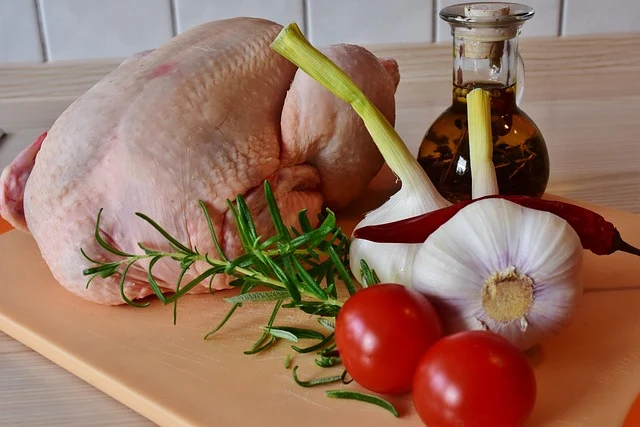
The chicken choice significantly impacts your pot pie’s texture and flavor. Boneless, skinless chicken thighs provide the most flavor and remain moist during baking, their higher fat content preventing dryness.
Thighs hold up better to extended cooking than breast meat and contribute richer taste to the overall filling. For convenience, pre-cooked rotisserie chicken works beautifully, saving time while adding seasoned depth—simply shred the meat and incorporate into your filling.
Chicken breasts work well when you prefer leaner meat, though they require careful cooking to avoid dryness. Cut breasts into uniform pieces and avoid overcooking before assembling the pie. Combining breast and thigh meat offers the best of both worlds—lean protein from breasts with moisture and flavor from thighs. Whatever chicken you choose, ensure pieces are bite-sized (roughly ¾-inch cubes) for easy eating and even distribution throughout the pie.
Leftover roasted or poached chicken makes excellent pot pie filling, turning yesterday’s dinner into today’s comfort meal. The key is using properly seasoned, moist chicken rather than dried-out leftovers. Dark and white meat combinations create the most interesting texture and flavor profile, mimicking the varied experience of eating roasted chicken.
Essential Ingredients and Their Roles
For the Pastry Crust:
- 2½ cups all-purpose flour
- 1 teaspoon salt
- 1 cup (2 sticks) cold unsalted butter, cut into cubes
- 6-8 tablespoons ice water
Alternative: Use 2 sheets store-bought pie dough or 1 sheet puff pastry for convenience
For the Filling:
- 3 cups cooked chicken, cut into ¾-inch pieces (about 1½ pounds)
- 4 tablespoons unsalted butter
- 1 medium onion, diced (about 1 cup)
- 2 carrots, peeled and diced (about 1 cup)
- 2 celery stalks, diced (about 1 cup)
- 8 ounces mushrooms, sliced (optional but recommended)
- 3 cloves garlic, minced
- ⅓ cup all-purpose flour
- 2 cups chicken broth (preferably homemade or low-sodium)
- 1 cup whole milk or heavy cream
- 1 cup frozen peas
- 2 teaspoons fresh thyme leaves (or 1 teaspoon dried)
- 1 teaspoon fresh rosemary, minced (or ½ teaspoon dried)
- 1 bay leaf
- Salt and black pepper to taste
- 1 egg, beaten (for egg wash)
Preparation Techniques
Step 1: Prepare the Pastry
Combine flour and salt in food processor. Add cold butter cubes and pulse until mixture resembles coarse crumbs with some pea-sized butter pieces remaining. Add ice water 1 tablespoon at a time, pulsing just until dough begins to come together. Divide dough in half, shape each into a disk, wrap in plastic, and refrigerate at least 30 minutes. If using store-bought dough, keep refrigerated until needed. The cold butter creates flaky layers when baked.
Step 2: Cook the Vegetables
In large skillet or Dutch oven, melt butter over medium heat. Add onion, carrots, and celery (the classic mirepoix base). Cook 6-8 minutes, stirring occasionally, until vegetables soften and onions turn translucent.
Add mushrooms if using and cook 4-5 minutes more until they release moisture and begin to brown. Stir in garlic and cook 1 minute until fragrant. These aromatic vegetables form the flavor foundation of your pot pie filling.
Step 3: Make the Cream Sauce
Sprinkle flour over the cooked vegetables, stirring constantly for 2 minutes to cook the raw flour taste away. This creates a roux that will thicken your sauce. Gradually add chicken broth while stirring constantly, scraping up any browned bits from the pan bottom.
The mixture will thicken as it comes to a simmer. Add milk or cream, thyme, rosemary, and bay leaf. Simmer gently for 5-7 minutes until sauce thickens to gravy consistency, stirring frequently to prevent scorching.
Step 4: Combine Filling Components
Add cooked chicken pieces and frozen peas to the sauce. Stir to combine evenly. Season with salt and pepper to taste—the filling should be slightly over-seasoned as flavors mellow during baking. Remove bay leaf.
The filling should be thick enough to mound on a spoon but still pourable. If too thick, add more broth; if too thin, simmer a few minutes longer. Transfer filling to a bowl and let cool for 15-20 minutes. Hot filling can make pastry soggy.
Step 5: Assemble the Pie
Preheat oven to 400°F. On lightly floured surface, roll one pastry disk into 12-inch circle. Fit into 9-inch deep-dish pie pan, letting excess hang over edges. Pour cooled filling into crust. Roll second pastry disk into 11-inch circle for the top crust.
Place over filling, trim excess to 1-inch overhang, then fold edges under and crimp decoratively to seal. Cut 4-5 small slits in top crust to allow steam to escape. Brush entire top surface with beaten egg for golden, glossy finish.
Step 6: Bake to Golden Perfection
Place pie on baking sheet to catch any drips. Bake 35-45 minutes until crust is deep golden brown and filling bubbles visibly through the steam vents. If edges brown too quickly, cover with foil or pie shield after 25 minutes. Let pie rest 10-15 minutes before serving—this allows filling to thicken slightly for cleaner slices. The resting period is crucial for optimal texture and prevents burns from scorching-hot filling.
Regional and Cultural Variations
- Pennsylvania Dutch pot pie features square egg noodles layered with chicken and vegetables in broth-based filling rather than cream sauce, served in bowls like stew. This “bot boi” tradition reflects German immigrant influences and emphasizes brothy comfort over pastry. New England versions often incorporate potatoes and use heavy cream for richer, more substantial filling that sustains through cold winters.
- Southern chicken pot pie sometimes includes hard-boiled eggs in the filling and may feature biscuit topping instead of pastry crust, creating drop-biscuit or rolled-biscuit crowned pies. British chicken and leek pie, a close cousin, emphasizes leeks over carrots and often includes hard-boiled eggs, reflecting UK preferences. Canadian variations might incorporate wild mushrooms or game birds, while Australian versions sometimes add corn and use puff pastry exclusively.
- Modern variations include individual pot pies baked in ramekins for elegant presentation, or skillet pot pies with only top crusts for rustic, family-style serving. Some cooks use phyllo dough for lighter, crispier topping, while others prefer biscuit or puff pastry for easier preparation. Gluten-free versions substitute almond or rice flour-based crusts, maintaining comfort food appeal for all diets.
Serving Suggestions
Serve chicken pot pie as a complete meal, though simple accompaniments enhance the experience. A crisp green salad with vinaigrette provides refreshing contrast to rich, creamy filling.
Roasted or steamed green beans, asparagus, or Brussels sprouts add color and nutritional balance. Cranberry sauce offers tangy-sweet complement that cuts through richness, especially popular during holiday meals.
For casual family dinners, serve pot pie directly from the dish at the table, allowing everyone to help themselves to generous portions.
For more formal presentations, individual pot pies in ramekins or small cast-iron skillets create restaurant-worthy appeal. Garnish plates with fresh herb sprigs—thyme, rosemary, or parsley—for visual appeal and aromatic finishing touch.
Chicken pot pie pairs beautifully with crisp white wines like Chardonnay or Sauvignon Blanc, their acidity balancing the cream sauce.
Light red wines such as Pinot Noir work well, especially versions with mushrooms. For non-alcoholic options, iced tea, lemonade, or sparkling water with lemon complement without overwhelming the savory flavors. Serve while pie is still warm for maximum comfort food impact.
Storage and Reheating Options
Store leftover chicken pot pie covered in the refrigerator for up to 3 days. Reheat individual portions in 350°F oven for 20-25 minutes until heated through, covering loosely with foil to prevent over-browning. Microwave reheating works for filling but makes crust soggy—if using microwave, heat filling separately and serve with toasted bread or crackers. The crust will never be as crisp as fresh-baked, but oven reheating comes close.
Chicken pot pie freezes excellently for up to 3 months, making it ideal for meal prep. Assemble pie completely but don’t bake. Wrap tightly in plastic wrap, then aluminum foil, and freeze. Bake from frozen, adding 20-30 minutes to the original baking time and covering edges with foil to prevent burning. Alternatively, freeze baked pie, thaw overnight in refrigerator, and reheat at 350°F for 30-40 minutes.
The filling can be made 2 days ahead and refrigerated, then assembled in crust and baked when ready to serve. This staged approach makes pot pie manageable for busy schedules while delivering fresh-baked results. Unbaked assembled pies keep refrigerated for 1 day before baking—perfect for morning preparation and evening baking.
Tips for Perfect Chicken Pot Pie
Don’t skip cooling the filling before adding to crust—hot filling makes pastry soggy and can melt butter in the dough before baking, preventing flakiness. The 15-20 minute cooling period ensures crisp, flaky crust that contrasts beautifully with creamy filling.
Cut steam vents in the top crust generously—trapped steam makes crust soggy and can cause filling to bubble over. Four to five slits or decorative cutouts allow moisture to escape while creating attractive presentation. Some bakers use small cookie cutters to create leaf or star shapes, placing the cutouts decoratively around vents.
Season the filling boldly—flavors mellow during baking, so filling that tastes slightly over-seasoned raw will taste perfect once baked. Remember that the pastry crust is unseasoned, so flavorful filling compensates. Taste and adjust seasoning before assembling the pie.
Use a deep-dish pie pan or large baking dish for generous filling-to-crust ratio. Standard pie pans work but limit filling volume, reducing the satisfying ratio that makes pot pie special. If filling seems excessive, reserve extra to serve alongside or enjoy separately—overfilling causes messy bubbling.
Common Mistakes to Avoid
Don’t use watery filling, which creates soggy bottom crust and leaks during baking. The filling should be thick enough to coat a spoon heavily—if too thin, simmer longer to reduce, or add a cornstarch slurry (1 tablespoon cornstarch mixed with 2 tablespoons cold water). Proper thickness is crucial for structural integrity and eating experience.
Avoid overloading with vegetables at the expense of chicken—pot pie should be chicken-forward with vegetables as supporting players. A good ratio is roughly 3 cups chicken to 3-4 cups total vegetables. Too many vegetables makes filling watery as they release moisture during baking.
Don’t overbake the chicken before adding to filling. If cooking chicken specifically for pot pie, poach or roast just until done (165°F internal temperature), then cut into pieces. Overcooked chicken becomes dry and stringy, especially during the additional baking time. Using slightly undercooked chicken (it finishes cooking in the pie) yields more tender results.
Avoid skipping the egg wash, which creates the golden, glossy finish that makes pot pie visually appealing. The egg wash also helps seal the crust edges and creates barrier against moisture. Plain brushed-on milk works in a pinch, but beaten egg with a tablespoon of water produces superior results.
Conclusion
Chicken pot pie embodies everything wonderful about comfort food—warmth, satisfaction, and the feeling of being cared for through a lovingly prepared meal. The combination of tender chicken, colorful vegetables, creamy sauce, and flaky pastry creates complete sensory experience that transcends simple ingredients. Whether you’re using leftover chicken or starting from scratch, pot pie transforms the ordinary into something special that brings people together around the table.
Master this recipe, and you’ll have a reliable crowd-pleaser for family dinners, potlucks, and cold-weather comfort. The beauty of chicken pot pie lies in its flexibility—adapt vegetables to what’s available, adjust seasonings to taste, and experiment with crust styles while maintaining the soul-satisfying essence that makes this dish an American classic.


