Dark Chocolate Pie: Historical Origins, Ingredients, Cultural Variations
Dark Chocolate Pie: Historical Origins, Ingredients, Cultural Variations
“Dark chocolate pie is where sophistication meets indulgence—pure cacao bliss in every bite.”
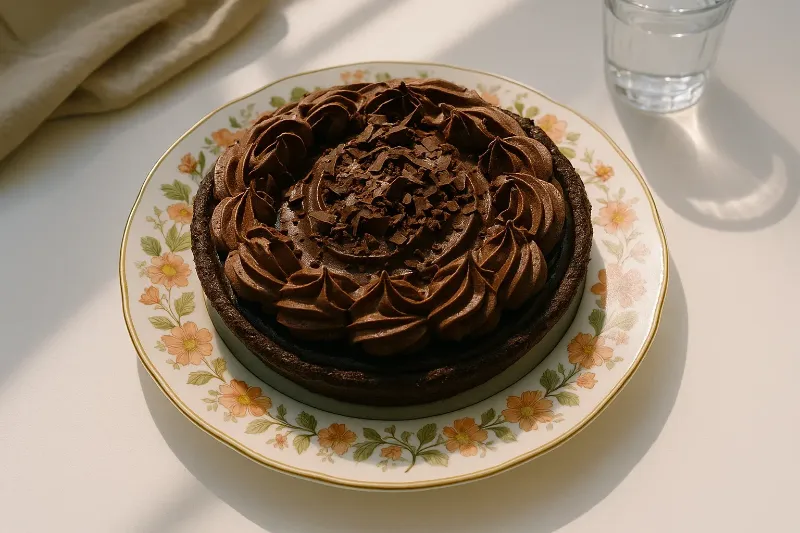
Dark chocolate pie is a luxurious dessert featuring a rich, intensely flavored filling made with high-quality dark chocolate, delivering deep cocoa notes balanced by subtle sweetness. Unlike milk chocolate pies, dark chocolate pie showcases the complex flavors of cacao—ranging from fruity and floral to earthy and nutty—making it the choice for discerning chocolate enthusiasts and those who appreciate less-sweet, more sophisticated desserts. This elegant pie has become increasingly popular as dark chocolate’s health benefits and superior flavor profile have gained recognition among home bakers and professional pastry chefs alike.
Table of Contents
Historical Origins
Dark chocolate pie’s history is intertwined with the evolution of chocolate consumption in Western culture. For most of chocolate’s 3,000-year history, it was consumed as a bitter beverage. The Maya and Aztec civilizations prized cacao for its complex flavor and perceived medicinal properties, consuming it without added sugar. When Spanish conquistadors brought chocolate to Europe in the 16th century, it remained an elite beverage, eventually sweetened with sugar but still quite dark by modern standards.
The development of solid chocolate in the 19th century—pioneered by companies like Cadbury and Nestlé—made chocolate accessible for baking. However, early chocolate pies typically used sweetened milk chocolate or cocoa powder, as dark chocolate was expensive and considered too bitter for American palates accustomed to sweeter desserts. Dark chocolate pie as we know it emerged in the late 20th century as culinary sophistication increased and darker chocolates gained popularity.
The health food movement of the 1990s and 2000s dramatically shifted chocolate perception. Scientific research revealed dark chocolate’s flavonoid content and potential cardiovascular benefits, transforming it from guilty pleasure to “superfood.” This rebranding, combined with the artisan food movement’s emphasis on quality ingredients and complex flavors, elevated dark chocolate pie from niche offering to mainstream elegance. Today’s versions often feature single-origin chocolates with specific cacao percentages, appealing to chocolate connoisseurs much like fine wine appeals to oenophiles.

Understanding Dark Chocolate
Cacao Percentages
Dark chocolate is defined by its cacao content, which indicates the proportion of cacao solids and cocoa butter versus sugar and other ingredients. For baking purposes:
60-70% cacao: This range offers balanced bittersweet flavor with enough sweetness for most palates. It’s ideal for those new to dark chocolate pie or serving mixed audiences. The chocolate flavor is prominent but not overwhelming, and the pie will have pleasant sweetness without being cloying.
70-85% cacao: This is the sweet spot for serious chocolate lovers. The intense, complex chocolate flavor dominates with subtle sweetness. These percentages showcase terroir differences between chocolate origins—Madagascar chocolates taste fruity and bright, while Venezuelan chocolates are earthy and nutty. The pie will be less sweet and more sophisticated.
85%+ cacao: Reserved for true dark chocolate devotees, this ultra-dark chocolate creates an intensely bitter, almost savory pie that requires careful sugar balancing. The complexity is remarkable, but the bitterness can be polarizing. Often best combined with complementary flavors like orange, coffee, or chili.
Quality Considerations
For dark chocolate pie, chocolate quality matters tremendously since it’s the star ingredient. Look for:
- Real chocolate: Ingredients should list cacao (or cocoa) solids, cocoa butter, and sugar—not vegetable oils or artificial flavors
- Single-origin vs. blends: Single-origin offers distinct flavor profiles, while blends provide consistent, balanced taste
- Reputable brands: Valrhona, Guittard, Callebaut, and Ghirardelli produce excellent baking chocolates
- Fair trade/ethical sourcing: Many premium chocolates now emphasize sustainable cacao farming
Essential Ingredients and Their Roles
The Filling
A classic dark chocolate pie filling requires:
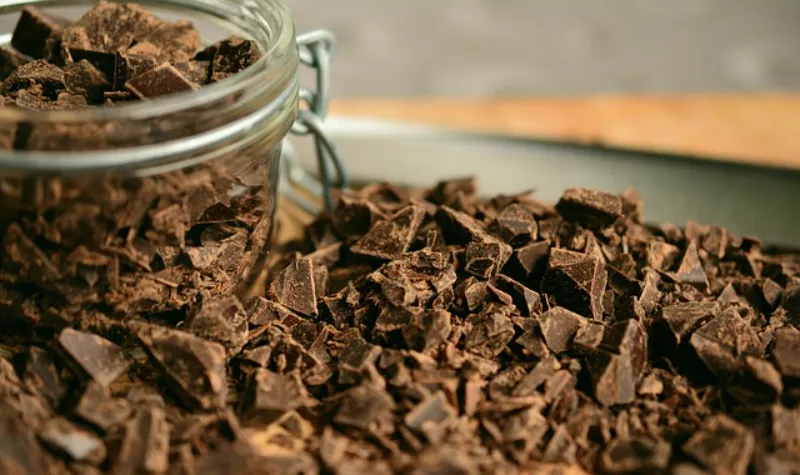
- Dark chocolate: 10-12 ounces (70% cacao recommended), chopped finely for even melting
- Heavy cream: 1½ cups, creates smooth ganache-style filling
- Eggs: 3 large eggs, provide structure and richness
- Sugar: ⅓ to ½ cup, adjusted based on chocolate darkness and personal preference
- Butter: 3 tablespoons, adds silkiness and glossy finish
- Vanilla extract: 1 teaspoon, enhances chocolate without competing
- Salt: ¼ teaspoon, amplifies chocolate flavor and balances sweetness
- Optional: Espresso powder: 1 teaspoon intensifies chocolate without adding coffee flavor
The Crust
Dark chocolate filling pairs beautifully with several crust options:
Chocolate cookie crust: Made from crushed chocolate wafer cookies (Oreos with filling removed work perfectly), this amplifies the chocolate experience. Mix 1½ cups cookie crumbs with 5 tablespoons melted butter, press into pan, and bake at 350°F for 10 minutes.
Traditional pastry crust: A neutral, buttery pastry allows the dark chocolate to shine without competition. The flakiness provides textural contrast to smooth filling.
Graham cracker crust: The honey-sweet graham base creates pleasant counterpoint to bitter chocolate, though some purists find it too casual for sophisticated dark chocolate.
Nut crust: Ground almonds, pecans, or hazelnuts mixed with butter and a bit of sugar create an elegant, European-style base that complements chocolate’s complexity.
Preparation Techniques
Creating the Perfect Ganache Filling
Dark chocolate pie filling is essentially a rich ganache lightened with eggs. The process requires careful temperature control and technique:
Step 1: Prepare the crust. If using cookie or nut crust, pre-bake and cool completely. For pastry crust, blind-bake with pie weights until golden, then cool. This prevents soggy bottom and ensures structural integrity.
Step 2: Melt the chocolate. Place chopped dark chocolate in a heatproof bowl. Heat heavy cream in a saucepan until it just begins to simmer (do not boil). Pour hot cream over chocolate and let sit for 2 minutes without stirring—this allows even melting. After 2 minutes, whisk gently from the center outward until completely smooth and glossy. Add butter and stir until melted and incorporated.
Step 3: Temper the eggs. In a separate bowl, whisk eggs with sugar until well combined. Slowly drizzle about one cup of the warm chocolate mixture into the eggs while whisking constantly. This gradual temperature increase prevents eggs from scrambling. Once eggs are warmed, pour them back into the remaining chocolate mixture, whisking constantly.
Step 4: Add flavorings. Stir in vanilla extract, salt, and espresso powder if using. The mixture should be smooth, glossy, and pourable—similar to thick cream.
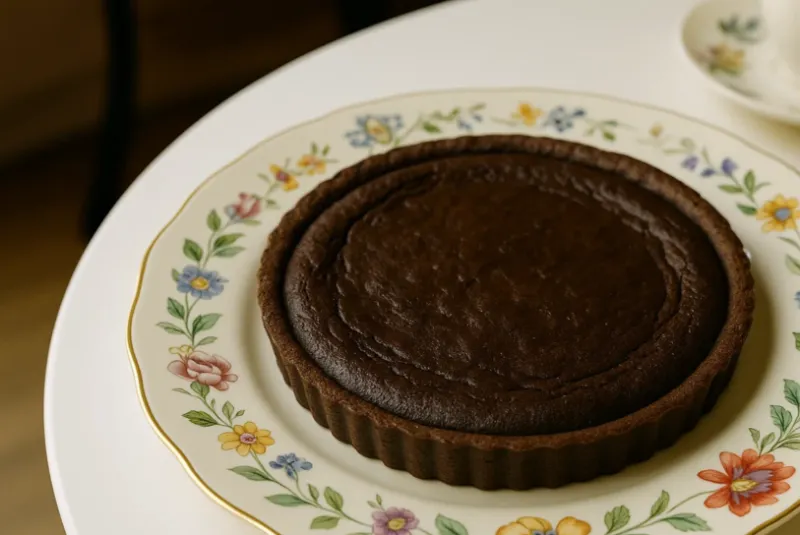
Step 5: Bake. Pour filling into prepared crust. Bake at 325°F (163°C) for 35-45 minutes. The center should still jiggle slightly when gently shaken—it will firm up as it cools. Overbaking creates grainy texture. An instant-read thermometer should register 160-165°F in the center.
Step 6: Cool completely. Allow pie to cool at room temperature for 1 hour, then refrigerate for at least 4 hours or overnight. The filling needs this time to set properly. Patience yields perfect slices.
Achieving Silky Texture
Several factors contribute to dark chocolate pie’s signature silky-smooth texture:
- Quality chocolate: Real cocoa butter creates smooth mouthfeel that vegetable oils cannot replicate
- Proper tempering: Adding hot liquid to eggs gradually prevents curdling
- Gentle baking: Low temperature and watchful timing prevent overcooked, grainy filling
- Complete cooling: Patience allows filling to set with perfect consistency

Regional and Cultural Variations
French-Style Dark Chocolate Tart
The French “tarte au chocolat noir” features an even darker, more intense filling in a sweet pastry shell (pâte sucrée). It’s typically served at room temperature in thin slices, often with crème fraîche, and showcases chocolate as the sole star without competing flavors.
Mexican Chocolate Pie
Inspired by traditional Mexican hot chocolate, this variation incorporates cinnamon, a touch of cayenne pepper, and sometimes a hint of coffee. The spices enhance rather than mask the chocolate, creating warmth and complexity. Some versions include a pinch of ancho chili powder for smoky depth.
Orange Dark Chocolate Pie
Orange and dark chocolate form one of cuisine’s classic pairings. Adding orange zest to the filling or using orange liqueur (Grand Marnier or Cointreau) creates bright, aromatic contrast to chocolate’s earthy richness. Some versions include candied orange peel as garnish.
Sea Salt Dark Chocolate Pie
A modern variation that sprinkles flaky sea salt over the finished pie. The salt crystals provide textural contrast and enhance chocolate flavor through the sweet-salty interplay. Maldon or fleur de sel work best—fine table salt is too harsh.
Bourbon Dark Chocolate Pie
Popular in the American South, this adult version incorporates 2-3 tablespoons of bourbon into the filling. The whiskey’s vanilla and oak notes complement dark chocolate beautifully without creating boozy flavor. The alcohol cooks off during baking, leaving only complex undertones.
Serving Suggestions
Dark chocolate pie’s intensity makes portion size important—serve smaller slices than typical fruit pies. A 9-inch pie serves 10-12 rather than 8. Proper accompaniments balance richness:
- Lightly sweetened whipped cream: The traditional choice, providing cool, airy contrast without competing flavors. Add just 1-2 tablespoons sugar per cup of cream—let chocolate shine.
- Crème fraîche: Its slight tang cuts through richness more effectively than regular cream, offering sophisticated balance.
- Vanilla ice cream: Cold creaminess against room-temperature chocolate creates delightful temperature and texture contrast.
- Fresh raspberries: Their bright acidity and slight tartness complement dark chocolate perfectly. Strawberries and cherries also work well.
- Coffee: Espresso or strong coffee alongside amplifies chocolate perception through complementary bitter notes.
For beverages, dark chocolate pie pairs beautifully with:
- Full-bodied red wine (Cabernet Sauvignon, Zinfandel, or Port)
- Whiskey or bourbon (especially with bourbon-infused versions)
- Espresso or strong black coffee
- Dessert wines like Banyuls or late-harvest Zinfandel

Storage and Make-Ahead Options
Dark chocolate pie stores beautifully, making it ideal for advance preparation. Refrigerate covered for up to 5 days—the flavors actually improve on day two as chocolate fully develops. The pie can be frozen for up to 2 months, though texture may become slightly less silky after thawing. Wrap tightly in plastic wrap and foil before freezing.
To serve, remove from refrigerator 30 minutes before eating to take the chill off. Dark chocolate’s complex flavors muted by cold emerge beautifully at cool room temperature. Add whipped cream or other toppings just before serving.
For make-ahead entertaining, prepare the pie completely 1-2 days in advance, refrigerate, and simply add fresh garnishes when ready to serve. The crust stays crisp and filling maintains perfect texture.
Tips for Perfect Dark Chocolate Pie
Choose the right percentage: Start with 70% cacao if you’re unsure. You can always go darker next time, but you can’t fix a too-bitter pie.
Don’t skip the espresso powder: Even if you don’t like coffee, a small amount (½-1 teaspoon) dramatically enhances chocolate flavor without tasting like coffee. It’s a professional baker’s secret.
Temper carefully: Taking time to slowly warm eggs prevents scrambling and ensures silky texture. Rush this step and you’ll have lumpy filling.
Watch baking time: The center should still jiggle when you remove the pie. It firms during cooling. Overbaking causes grainy, dry texture.
Let it rest: Resist cutting into warm pie. Complete cooling and chilling are essential for proper texture and clean slices.
Serve at proper temperature: Too cold mutes chocolate’s complexity. Let refrigerated pie sit at room temperature for 20-30 minutes before serving.
Common Mistakes to Avoid
Using chocolate chips instead of bar chocolate creates disappointing results. Chips contain stabilizers that prevent smooth melting, resulting in grainy texture. Always use real chocolate bars or baking chocolate.
Overheating chocolate causes it to seize into a grainy, unworkable mass. Keep heat gentle and patient. If chocolate does seize, sometimes whisking in a tablespoon of warm cream can save it.
Adding eggs to chocolate that’s too hot scrambles them instantly. The chocolate-cream mixture should be warm but not hot—about 110-120°F is ideal. Use an instant-read thermometer if unsure.
Underbaking leaves the filling too loose, while overbaking creates dry, crumbly texture. The pie should have a slight jiggle in the center when removed from the oven, firming as it cools.
Serving the pie too cold masks dark chocolate’s nuanced flavors. Extreme cold mutes the fruity, floral, and earthy notes that make dark chocolate special. Always let it warm slightly before serving.
Health Considerations
While still a rich dessert, dark chocolate pie offers more nutritional benefits than milk chocolate versions. Dark chocolate contains flavonoids—antioxidants linked to cardiovascular health, improved blood flow, and reduced inflammation. The higher the cacao percentage, the more flavonoids present.
Dark chocolate also provides minerals including iron, magnesium, copper, and manganese. However, the pie’s sugar, butter, and cream content mean it remains an indulgence to be enjoyed in moderation. A small slice satisfies more effectively than larger portions of less-intense desserts, making it easier to practice portion control.
Conclusion
Dark chocolate pie represents the sophisticated side of chocolate desserts—complex, intense, and elegant rather than merely sweet. Its deep cacao flavors, silky texture, and relative restraint in sweetness appeal to adult palates and chocolate connoisseurs who appreciate quality over quantity. Whether you prefer it pure and simple or enhanced with complementary flavors like orange, coffee, or sea salt, dark chocolate pie delivers serious chocolate satisfaction.
Making dark chocolate pie connects you to chocolate’s ancient heritage while creating something thoroughly modern and refined. It’s a dessert that respects its primary ingredient, allowing dark chocolate’s inherent complexity to shine. For those who believe chocolate should taste like chocolate—deeply, intensely, unapologetically—dark chocolate pie is the ultimate expression of cacao’s potential in pie form.

