Fish Pie Recipe, Historical Origins, Cooking Tips: Classic British Seafood Pie
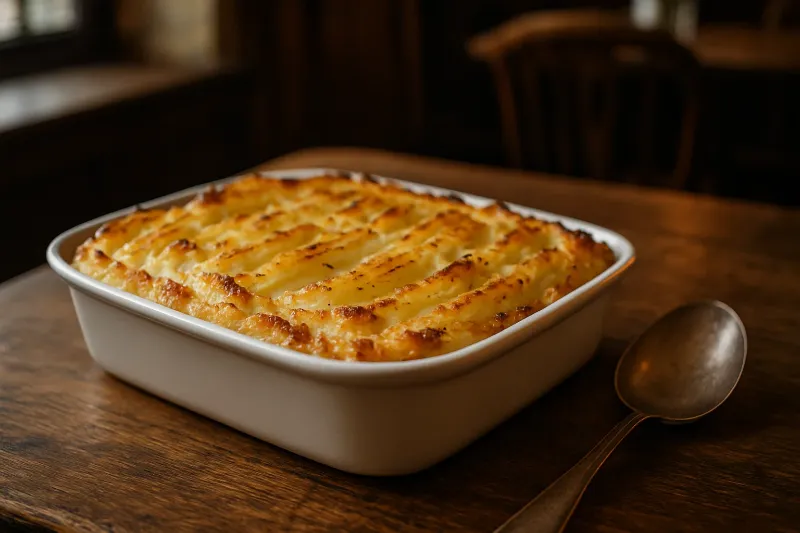
Fish Pie Recipe, Historical Origins, Cooking Tips: Classic British Seafood Pie
“Fish pie brings the ocean’s bounty to your table—tender fish and shellfish in creamy sauce, topped with golden mashed potatoes that create the ultimate seaside comfort food.”
Fish pie stands as one of Britain’s most cherished seafood dishes, featuring chunks of white fish and often smoked fish or shellfish in rich, creamy sauce, all topped with fluffy mashed potatoes instead of pastry. This elegant yet comforting dish transforms simple seafood into something special, perfect for family dinners or entertaining. The combination of flaky fish, velvety sauce, and crispy-topped potato creates textural harmony that elevates fish pie beyond ordinary weeknight meals into celebratory territory.
Table of Contents
Historical Origins
Fish pie emerged from British coastal communities where fresh seafood was plentiful and affordable. The dish gained popularity during the 19th century as fishing industries expanded and rail transport made fresh fish accessible inland. Unlike meat pies with pastry crusts, fish pie adopted mashed potato topping—easier to prepare and more compatible with delicate fish that required gentler cooking. The combination became working-class staple, providing nutritious, filling meal from economical ingredients.
Victorian cookbooks featured fish pie recipes, often calling for whatever catch was available locally. Smoked haddock became traditional addition, its robust flavor enhancing mild white fish while honoring Scotland’s famous Finnan haddie. Post-war Britain saw fish pie as both budget-friendly and special-occasion worthy, with families upgrading basic versions with prawns or scallops for celebrations. Today’s fish pie reflects both humble origins and modern refinement, appearing on gastropub menus alongside home kitchen tables.
Best Fish for Fish Pie
Combine several fish types for best flavor and texture. Cod, haddock, or halibut provide firm white fish base that holds shape during cooking. These mild fish absorb flavors beautifully while maintaining flaky texture. Smoked haddock (undyed for authenticity) adds depth and character—use about one-quarter to one-third of total fish weight. Salmon brings color, richness, and omega-3s, though use sparingly as its strong flavor can dominate. Aim for roughly 60% white fish, 25% smoked fish, 15% salmon for balanced flavor profile.
For luxury versions, add shellfish—prawns, scallops, or mussels create restaurant-quality results. Add shellfish toward end of cooking to prevent toughening. Avoid oily fish like mackerel or sardines, which overpower delicate sauce. Fresh fish is essential—frozen works in pinch but release more liquid, potentially making filling watery. All fish should be skinless and boneless, cut into 1½-inch chunks for optimal texture.
Essential Ingredients and Their Roles
For the Fish Filling:
- 1½ pounds mixed fish (cod, haddock, salmon), cut into chunks
- 8 ounces smoked haddock, cut into chunks
- 8 ounces prawns, peeled (optional)
- 2 cups whole milk
- 1 bay leaf
- 6 black peppercorns
- 4 tablespoons butter
- 1 leek, white part only, sliced
- ⅓ cup flour
- ½ cup heavy cream
- 2 tablespoons fresh parsley, chopped
- 2 tablespoons fresh dill, chopped
- 1 tablespoon capers, rinsed (optional)
- 2 teaspoons Dijon mustard
- 1 cup frozen peas
- Salt and white pepper
For the Potato Topping:
- 3 pounds potatoes (Yukon Gold or Maris Piper), peeled and quartered
- ½ cup butter
- ½ cup milk, warmed
- Salt and white pepper
- 2 tablespoons grated Parmesan or Cheddar (optional)
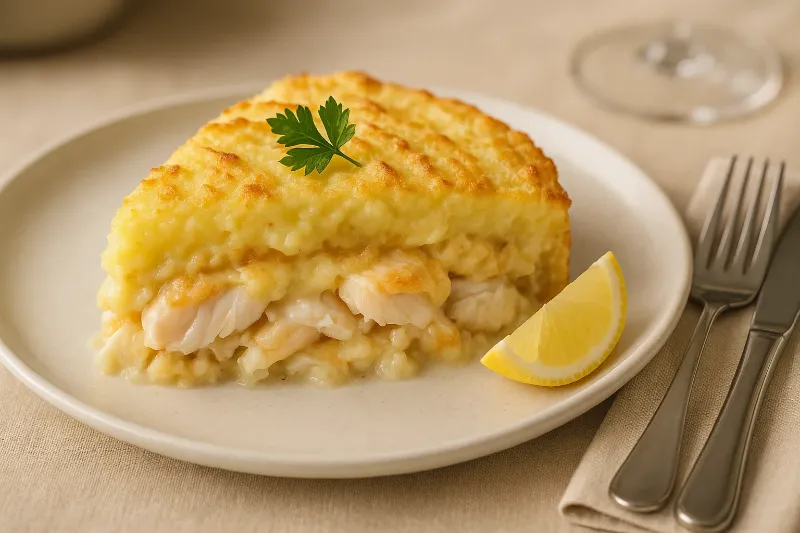
Fish Pie Recipe: Preparation Techniques
Step 1: Poach the Fish
Place milk, bay leaf, and peppercorns in large, shallow pan. Add fish chunks (not prawns yet). Bring barely to simmer—don’t let boil. Poach gently 3-4 minutes until fish is almost cooked but still slightly translucent in center. Using slotted spoon, transfer fish to bowl. Strain poaching milk through fine sieve, reserving liquid for sauce—this milk carries fish flavor that enriches sauce beautifully. Discard bay leaf and peppercorns.
Step 2: Make the Sauce
In same pan (wiped clean), melt butter over medium heat. Add leeks and cook until soft, about 5 minutes. Sprinkle flour over leeks, stirring constantly for 2 minutes to cook raw flour taste. Gradually add reserved poaching milk while whisking constantly to prevent lumps. Add cream and bring to gentle simmer, stirring frequently until sauce thickens to coating consistency, about 5 minutes. Stir in parsley, dill, capers if using, and mustard. Season with salt and white pepper.
Step 3: Combine Fish and Sauce
Gently fold poached fish, prawns if using, and frozen peas into sauce. The fish will break slightly—this is fine. Taste and adjust seasoning. Transfer to large baking dish (about 9×13 inches or equivalent). Let cool while preparing potatoes—warm filling is fine, but boiling hot will create steam that affects potato topping.
Step 4: Prepare Potato Topping
Meanwhile, boil potatoes in salted water until completely tender, 15-20 minutes. Drain thoroughly and return to hot pot. Let steam 2-3 minutes to evaporate excess moisture. Mash until smooth, then beat in butter and warm milk until fluffy. Season generously with salt and white pepper—potatoes need more seasoning than you expect.
Step 5: Assemble and Bake
Preheat oven to 375°F. Spoon mashed potatoes over fish filling, starting at edges and working toward center. Use fork to create peaks and texture on surface—these will brown beautifully. Sprinkle with cheese if using. Bake 30-35 minutes until potato topping is golden brown and filling bubbles around edges. For extra-crispy top, place under broiler for final 2-3 minutes, watching carefully. Rest 5-10 minutes before serving.
Regional and Cultural Variations
Scottish Cullen skink pie incorporates the famous soup’s flavors—smoked haddock, leeks, and potatoes in creamy broth-style sauce. Irish fish pie often includes more vegetables—carrots, celery—creating heartier, stew-like filling. French fisherman’s pie (tourte aux poissons) uses puff pastry top instead of potatoes and adds wine to sauce. Scandinavian versions incorporate dill heavily and sometimes add hard-boiled eggs. Modern gastropub versions might feature lobster, monkfish, or add truffle oil for luxury touch.
Serving Suggestions
Fish pie needs little accompaniment beyond simple green vegetables. Steamed broccoli, green beans, or sugar snap peas provide color and textural contrast. Garden salad with lemony vinaigrette cuts richness while refreshing palate. Crusty bread works well despite potato topping—there’s always room for bread to soak up creamy sauce. Pair with crisp white wines like Sauvignon Blanc, Chablis, or Muscadet that complement delicate fish without overwhelming. Light lagers or wheat beers work for beer lovers.
Storage and Reheating Options
Store leftover fish pie refrigerated up to 2 days—fish pies don’t keep as long as meat pies. Reheat at 350°F for 25-30 minutes until heated through. The filling can be made 1 day ahead and refrigerated, with potatoes prepared fresh for assembly and baking. Fish pie doesn’t freeze as successfully as meat pies—fish texture suffers and sauce can separate. If you must freeze, use within 1 month and expect slightly compromised texture upon reheating.
Tips for Perfect Fish Pie
Don’t overcook fish during poaching—it continues cooking during baking. Slightly undercooked fish at assembly stage ensures moist, flaky results rather than dry, rubbery texture. Gentle poaching rather than boiling prevents fish from toughening. Use poaching milk in sauce—discarding wastes valuable flavor. This technique infuses sauce with delicate fish essence that makes difference between good and excellent fish pie. Create texture on potato surface for maximum browning and visual appeal—smooth potatoes brown less evenly and look less appetizing.
Common Mistakes to Avoid
Avoid boiling the poaching liquid, which toughens fish and makes it dry. Gentle heat below simmer produces tender, moist results. Don’t use all one type of fish—combination creates more interesting flavor and texture than single variety. Skip canned or imitation seafood, which lack flavor and texture of real fish. Assembling with scalding-hot filling creates too much steam, potentially making potato topping slide off or become waterlogged at base.
Conclusion
Fish pie represents British coastal cooking at its comforting best—simple seafood elevated through careful technique and quality ingredients. The combination of flaky fish, creamy sauce, and golden potato creates complete meal that satisfies on every level. Whether you’re using humble cod or splurging on prawns and scallops, fish pie proves that seafood comfort food can be both elegant and deeply satisfying—the perfect dish for when you want something special without pretension.


