Mango Pie Recipe & Cooking Tips – Sunshine and Sweetness

“Mango pie is sunshine and sweetness wrapped in flaky crust.”
Mango pie is a tropical dessert featuring ripe mango in a sweet, vibrant filling. Popular in mango-growing regions and gaining popularity elsewhere, this pie offers exotic flavor and stunning golden-yellow color that brings sunshine to any table. This comprehensive mango pie recipe will guide you through every step to create a perfect tropical dessert.
Table of Contents
Tropical Treasure
Mango pie has roots in tropical regions where mangoes grow abundantly—India, Southeast Asia, the Caribbean, and parts of Latin America. As mangoes became more widely available globally, mango pie gained appreciation for its unique flavor and beautiful color. It represents tropical abundance and exotic appeal.
The mango itself has been cultivated for over 4,000 years, and transforming this beloved fruit into pie form is a natural evolution of traditional mango desserts. From Indian mango kulfi to Filipino mango float, cultures worldwide celebrate this fruit, and mango pie brings that celebration to the classic American dessert format.
Selecting Mangoes
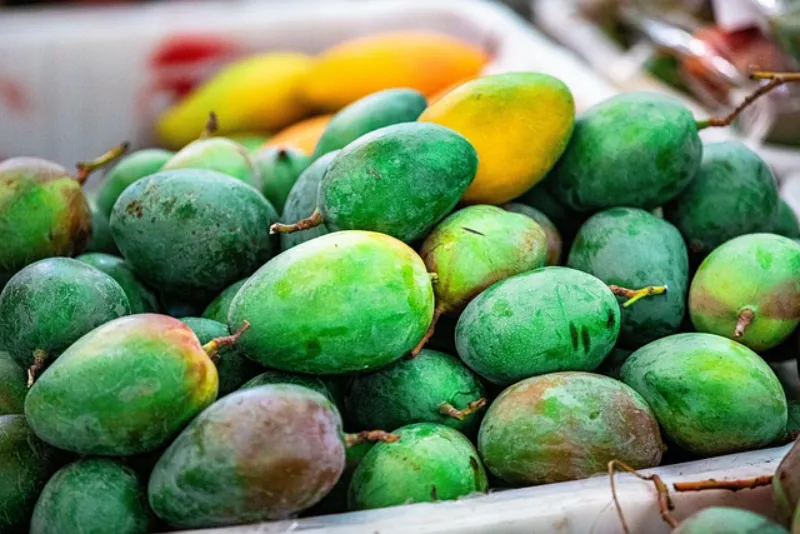
Choose ripe mangoes that yield slightly to pressure and smell fragrant at the stem end. Popular varieties for pie include Ataulfo (champagne mangoes—small, sweet, minimal fiber), Kent (large, very sweet), and Tommy Atkins (common, reliable). Avoid mangoes with black spots or fermented smell.
For the best mango pie recipe results, look for mangoes with smooth, unblemished skin and a sweet aroma. The color varies by variety—some ripe mangoes remain green, while others turn yellow, orange, or red. Don’t rely solely on color to determine ripeness.
Frozen mango works excellently and is often more economical. Use unthawed and increase thickener by 1 tablespoon. Frozen mango is typically picked at peak ripeness and flash-frozen, preserving optimal sweetness and texture.
Complete Mango Pie Recipe
Ingredients for Mango Pie
For the Filling:
- Mangoes: 4-5 cups diced ripe mango (about 4-5 medium mangoes)
- Granulated sugar: ½ to ¾ cup (adjust based on mango sweetness)
- Cornstarch: 3-4 tablespoons (for thickening)
- Fresh lime juice: 2-3 tablespoons (brightens flavor)
- Lime zest: 1 teaspoon (optional, for extra citrus)
- Vanilla extract: ½ teaspoon (or coconut extract for tropical flair)
- Salt: ¼ teaspoon
- Ground ginger: ¼ teaspoon (optional, adds warmth)
- Butter: 1 tablespoon, cut into small pieces (for richness)
For the Crust:
- Double pie crust: Homemade or store-bought (enough for top and bottom)
- Egg wash: 1 egg beaten with 1 tablespoon water (for golden finish)
- Coarse sugar: 1 tablespoon (for sparkling top crust)
Step-by-Step Mango Pie Recipe Instructions
Step 1: Prepare the Mangoes
Cut mango flesh away from the large flat pit. The easiest method: slice both “cheeks” off either side of the pit, then score the flesh in a crosshatch pattern without cutting through the skin. Scoop out the cubes with a spoon. Cut remaining flesh from around the pit. You’ll need about 4-5 cups total.
If your mangoes are particularly fibrous, you can pulse them briefly in a food processor for a smoother filling, leaving some chunks for texture.
Step 2: Macerate the Filling
In a large bowl, combine diced mango, sugar, cornstarch, lime juice, lime zest, vanilla extract, salt, and ground ginger. Toss gently but thoroughly until the mango is evenly coated. The mixture should be thick and coat the fruit completely.
Let the mixture sit for 10-15 minutes. This maceration process allows the mango to release some juice, which helps you assess if you need to drain excess liquid. If the mixture becomes very watery, drain off 2-3 tablespoons of liquid before filling the pie.
Step 3: Prepare the Pie Crust
If using homemade crust, roll out one portion on a lightly floured surface to about 12 inches in diameter and ⅛ inch thick. Carefully transfer to a 9-inch pie plate, letting the excess hang over the edges. Trim to leave about 1 inch overhang. Refrigerate while you prepare the top crust.
Roll out the second portion for the top crust. You can create a solid top with vent slits, a lattice pattern, or decorative cutouts using cookie cutters. Keep the top crust refrigerated until ready to use.
Step 4: Assemble the Pie
Preheat your oven to 425°F (220°C). Place a baking sheet on the lower oven rack to catch any drips.
Pour the mango filling into the prepared bottom crust, spreading it evenly. Dot the top of the filling with small pieces of butter. This adds richness and helps create a smooth, glossy filling.
Place the top crust over the filling. Trim excess dough to ½ inch overhang, then fold the top crust edge under the bottom crust edge. Crimp decoratively using your fingers or a fork. If using a solid top crust, cut 4-5 steam vents with a sharp knife.
Step 5: Add Finishing Touches
Brush the entire top crust with egg wash, being careful not to let it pool in the crimped edges. Sprinkle with coarse sugar for a beautiful sparkle and slight crunch.
For extra protection against overflow, you can place a pie shield or aluminum foil collar around the edges of the crust.
Step 6: Bake the Mango Pie
Place the pie on the middle oven rack (above the baking sheet). Bake at 425°F for 20 minutes. This initial high heat helps set the bottom crust and prevents sogginess.
Reduce temperature to 375°F (190°C) and continue baking for 35-45 minutes, until the crust is deep golden brown and you can see the filling bubbling through the vents or lattice. The internal temperature should reach 200°F.
If the edges brown too quickly, cover them with a pie shield or aluminum foil strips during the last 15-20 minutes of baking.
Step 7: Cool Completely
Remove the pie from the oven and place on a wire rack. This is crucial: let the pie cool completely for at least 4-6 hours, or overnight. Mango filling is very liquid when hot and needs this full cooling time to set properly. Cutting too early will result in a runny filling.
For best results, refrigerate the cooled pie for 2-3 hours before serving. This helps the filling firm up even more.
Troubleshooting Your Mango Pie Recipe
Runny Filling: The most common issue. Ensure you used enough cornstarch and cooled the pie completely. If mangoes were very juicy, drain excess liquid before baking or add an extra tablespoon of cornstarch.
Soggy Bottom Crust: Pre-bake (blind bake) the bottom crust for 10 minutes at 400°F before adding filling, or use a glass pie plate to monitor browning. The initial 425°F baking also helps prevent this.
Overly Sweet Filling: Reduce sugar to ½ cup and increase lime juice to 3-4 tablespoons. The acidity balances sweetness beautifully.
Fibrous Texture: Use Ataulfo or Kent mangoes, which have less fiber, or pulse filling briefly in a food processor.
Creative Variations
Mango Coconut Pie: Add ½ cup shredded coconut to the filling and replace vanilla with coconut extract. Use coconut milk (2-3 tablespoons) in place of some lime juice.
Mango Lime Pie: Increase lime juice to ¼ cup and add 2 teaspoons lime zest for bright, tangy flavor.
Mango Passion Fruit Pie: Add ¼ cup passion fruit pulp (about 3-4 passion fruits) for complex tropical flavor.
Mango Ginger Pie: Increase ground ginger to 1 teaspoon or add 1 tablespoon fresh grated ginger for spicy warmth.
Mango Cardamom Pie: Add ½ teaspoon ground cardamom for aromatic, exotic flavor popular in Indian desserts.
Serving Suggestions
Serve chilled or at room temperature with coconut ice cream, vanilla ice cream, or whipped cream. Pairs beautifully with coconut whipped cream for full tropical experience.
For an elegant presentation, garnish each slice with fresh mango slices, a sprinkle of toasted coconut flakes, or a lime wheel. A drizzle of passion fruit sauce or mango coulis takes it to restaurant-quality level.
Mango pie is perfect for summer barbecues, tropical-themed parties, or anytime you want to bring sunshine to the dessert table.
Storage and Make-Ahead Tips
Refrigerator Storage: Cover cooled pie loosely with foil or plastic wrap and refrigerate for up to 4 days. The filling may soften slightly but remains delicious.
Freezing: Mango pie freezes well for up to 3 months. Wrap tightly in plastic wrap, then aluminum foil. Thaw overnight in refrigerator before serving.
Make-Ahead: You can prepare the filling up to 1 day ahead and refrigerate. The pie crust dough can be made 2-3 days ahead or frozen for up to 3 months. Assemble and bake on serving day for best results.
Expert Tips for Perfect Mango Pie
Use ripe mangoes: Underripe mangoes are fibrous and lack the sweet, aromatic flavor that makes this pie special. If mangoes aren’t quite ripe, leave at room temperature for 2-3 days.
Add lime: Essential for balancing sweetness and brightening flavor. The acidity cuts through the rich filling and enhances the mango’s natural taste.
Drain excess liquid: Mangoes release juice during maceration. Let filling sit 10 minutes, then drain if very wet. Too much liquid creates a runny pie.
Don’t skip the cooling time: This is the number one mistake. Mango pie needs 4-6 hours to set. Be patient!
Taste and adjust: Mangoes vary in sweetness. Taste your filling before adding to the crust and adjust sugar or lime as needed.
Use a glass pie plate: This allows you to check the bottom crust for proper browning, preventing soggy bottoms.
Nutritional Benefits
While pie is certainly a treat, mangoes offer nutritional benefits. They’re rich in vitamin C, vitamin A, fiber, and antioxidants. Mangoes contain enzymes that aid digestion and compounds that may support immune function. Of course, enjoy mango pie in moderation as part of a balanced diet.
Conclusion
This mango pie recipe brings exotic tropical flavor to dessert, offering sunshine-yellow beauty and sweet, aromatic taste. With its vibrant color, luscious texture, and irresistible flavor, mango pie is perfect for summer celebrations or whenever you need a vacation in pie form. Follow this detailed recipe and you’ll create a show-stopping dessert that transports everyone to a tropical paradise with each bite.


