Cherry Pie: History, Types, Recipes and Regional Variations

Cherry Pie: History, Types, Recipes and Regional Variations
“Cherry pie is proof that even the simplest things in life can be irresistibly dramatic.”
Cherry pie is a classic American dessert made with fresh or canned cherries encased in a flaky pastry crust. Known for its vibrant red color and sweet-tart flavor, cherry pie ranks among America’s most beloved fruit pies, often featuring a distinctive lattice-top crust.
Table of Contents
History and Cultural Significance
Cherry pie has deep roots in American culinary history, with recipes appearing in American cookbooks as early as the 1800s. The dessert gained legendary status through the apocryphal story of young George Washington and the cherry tree, forever linking cherries with American heritage and honesty.
During the 19th century, cherry orchards flourished across the northern United States, particularly in Michigan, which remains the nation’s leading tart cherry producer. The abundance of cherries made cherry pie a summertime staple and a celebration of the harvest season.
In popular culture, cherry pie has appeared in countless songs, films, and literature. The 1950s brought cherry pie into the mainstream American consciousness as a symbol of wholesome domesticity, and it remains a popular diner dessert across the country.
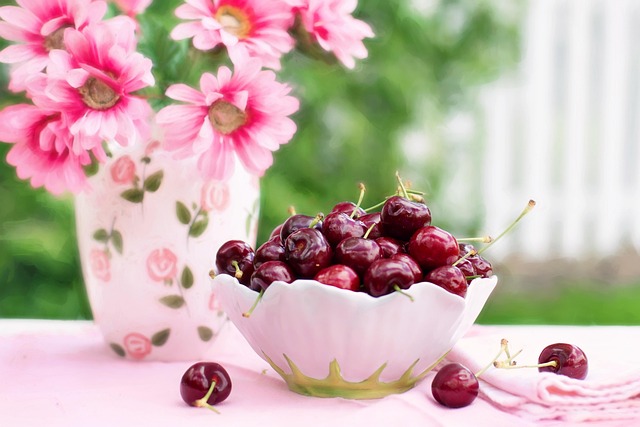
Types of Cherries
Tart Cherries
Montmorency cherries are the gold standard for cherry pie, accounting for over 95% of tart cherry production in the United States. These bright red cherries offer the perfect balance of tartness and sweetness when baked, and they maintain their shape better than sweet cherries. Tart cherries are typically available fresh for only a few weeks in summer but are widely available canned or frozen year-round.
Morello cherries are darker and slightly less tart than Montmorency, popular in European cherry pie recipes. They create a deeper-colored filling with complex flavor notes.
Sweet Cherries
Bing cherries are the most common sweet cherry variety, deep red to nearly black in color. While delicious eaten fresh, they can make pie filling too sweet and watery without additional lemon juice and thickener.
Rainier cherries offer a unique golden-red appearance and exceptionally sweet flavor. They’re rarely used for pie due to their premium price and delicate nature, but they can create a stunning pale-colored filling.
Many bakers combine tart and sweet cherries in a 2:1 or 3:1 ratio to achieve ideal flavor balance.

Essential Ingredients and Preparation
The Filling
A traditional cherry pie filling requires:
- Cherries: 4–5 cups of pitted cherries (about 2 pounds unpitted)
- Sugar: ¾ to 1¼ cups, depending on cherry tartness
- Thickener: Cornstarch (3–4 tablespoons) or tapioca for a clear, glossy filling
- Flavor enhancers: Almond extract (¼ teaspoon) complements cherries perfectly, plus lemon juice and vanilla extract
- Salt: A pinch to enhance all flavors
- Butter: Small dots added before the top crust for richness
Pitting Cherries
Fresh cherries must be pitted before use—a time-consuming but rewarding task. Cherry pitters are inexpensive tools that make the job easier, though a paperclip or chopstick can work in a pinch. Expect to lose about 10% of cherry weight during pitting. Wear an apron or old clothes, as cherry juice stains are notoriously difficult to remove!
The Lattice Crust
While any pie crust works, cherry pie is traditionally topped with a lattice crust that showcases the ruby-red filling. To create a lattice:
- Roll out the top crust and cut into ¾-inch wide strips.
- Lay half the strips parallel across the pie.
- Fold back every other strip halfway.
- Place a perpendicular strip across the unfolded strips.
- Unfold the folded strips over the new strip.
- Repeat, folding back alternating strips until the lattice is complete.
- Trim excess, crimp edges, and brush with egg wash.
Baking Techniques
Cherry pies present unique challenges due to their high liquid content. Proper technique prevents the dreaded soggy bottom and filling overflow:
Two-temperature baking: Start at 425°F (220°C) for 20 minutes to set the crust, then reduce to 375°F (190°C) for 40–50 minutes. The high initial temperature creates steam that puffs the pastry layers.
Adequate thickener: Cherries release significant juice when heated. Use enough cornstarch (1 tablespoon per cup of cherries) to create a thick, spoonable filling that won’t run when sliced.
Cooling patience: This is crucial! Cherry pie must cool for at least 4 hours (preferably overnight) before slicing. The filling continues to thicken as it cools, and cutting too early results in cherry soup.
Catching drips: Place the pie on a baking sheet lined with parchment paper or foil to catch any bubble-over, protecting your oven from sticky, burnt-on cherry filling.
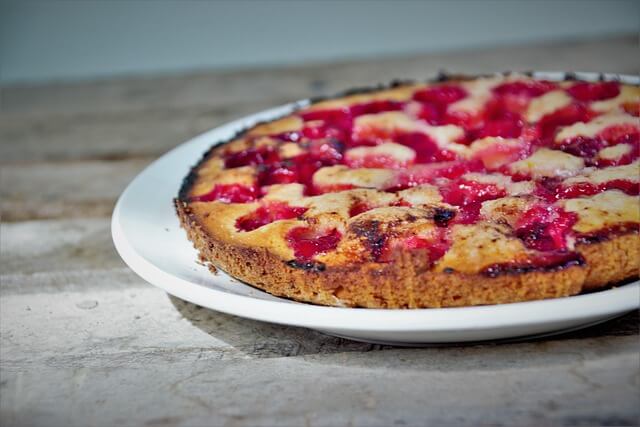
Regional and International Variations
American Styles
Michigan Cherry Pie: The official state pie of Michigan, made with tart Montmorency cherries and a classic lattice top. Some versions include a splash of cherry liqueur.
Door County Cherry Pie: From Wisconsin’s famous cherry-growing region, often featuring a higher proportion of sweet cherries for a mellower flavor.
Washington State Cherry Pie: Utilizes the abundant Bing cherry harvest, typically combined with tart cherries for balance.
International Interpretations
German Schwarzwälder Kirschtorte Pie: Inspired by Black Forest Cake, this variation includes chocolate, whipped cream, and cherry schnapps.
Austrian Kirschkuchen: A streusel-topped cherry pie with a cake-like texture, less common in America but popular in Central Europe.
British Cherry Pie: Often features a single crust, is less sweet, and may include ground almonds in the filling.
Serving and Pairing
Cherry pie shines when paired thoughtfully:
- Vanilla ice cream: The classic pairing, with cold, creamy vanilla offsetting warm, tart cherries
- Whipped cream: Lighter than ice cream, allowing cherry flavor to dominate
- Crème fraîche: The slight tang complements sweet-tart cherries beautifully
- Amaretto or cherry liqueur: A drizzle adds sophisticated depth for adult audiences
- Mascarpone: Italian-style serving with sweetened mascarpone and a dusting of cocoa
For beverages, cherry pie pairs excellently with strong coffee, black tea, or dessert wines like late-harvest Riesling or Port.
Storage and Make-Ahead Tips
Cherry pie keeps well at room temperature for 2 days, in the refrigerator for up to 5 days, or frozen for 3 months. For make-ahead convenience, assemble the pie completely, freeze unbaked, and bake directly from frozen (add 15–20 minutes to baking time).
Leftover cherry pie can be refreshed in a 350°F (175°C) oven for 10–15 minutes to restore crust crispness. Cold cherry pie straight from the fridge has its own devoted fans who love the contrast of cold filling with flaky crust.

