Shoofly Pie Recipe: Pennsylvania Dutch Molasses Classic
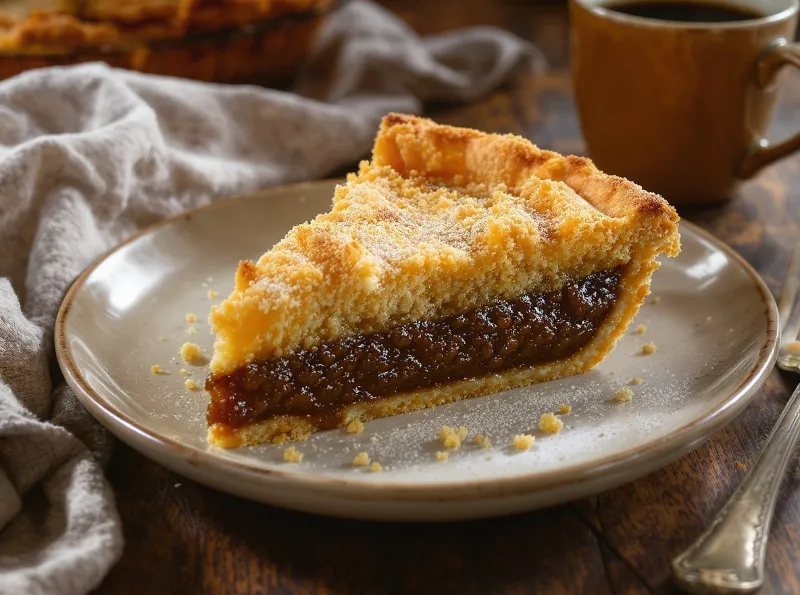
Shoofly Pie Recipe: Pennsylvania Dutch Molasses Classic
“Shoofly pie is Pennsylvania Dutch tradition baked into sweet perfection—dark molasses filling crowned with crumbly streusel topping that captures the essence of simple, honest baking passed down through generations.”
Shoofly pie stands as one of Pennsylvania Dutch Country’s most iconic desserts, featuring rich molasses filling topped with sweet, crumbly streusel. This distinctive pie, with its dark, gooey bottom layer and cake-like crumb topping, represents Pennsylvania German baking traditions brought to America centuries ago.
The name’s origin remains debated—some say flies were attracted to the sweet molasses and had to be “shooed” away, while others reference a molasses brand’s mascot. Regardless of etymology, this pie embodies practical, flavorful baking using pantry staples that sustained farming families. Sweet, slightly bitter from molasses, and utterly comforting, shoofly pie delivers nostalgic taste of rural Pennsylvania.
Table of Contents
Historical Origins
Shoofly pie originated with Pennsylvania Dutch (actually Pennsylvania German) communities who settled southeastern Pennsylvania in the 18th and 19th centuries. These Amish and Mennonite farmers created resourceful recipes using preserved pantry staples that didn’t require refrigeration. Molasses, a common sweetener before refined sugar became affordable, provided both flavor and sweetness. The pie emerged as practical way to use molasses, flour, and basic ingredients available year-round.
The distinctive crumb topping reflects German streusel traditions adapted to American ingredients. Early versions likely varied by household, with families developing preferred molasses-to-crumb ratios. By the early 20th century, shoofly pie had become quintessential Pennsylvania Dutch dessert, appearing at church gatherings, barn raisings, and family meals. The pie gained wider recognition as tourists discovered Lancaster County and Amish Country became popular destinations. Today, shoofly pie remains deeply associated with Pennsylvania Dutch culture, sold in local bakeries and cherished as edible heritage.
Best Molasses for Shoofly Pie
Unsulphured molasses produces best flavor for shoofly pie—it’s lighter and sweeter than blackstrap molasses, which can be overpoweringly bitter. Regular unsulphured molasses (sometimes labeled “original” or “mild”) provides characteristic deep, rich flavor without harshness. Avoid blackstrap molasses unless you specifically prefer its intense, slightly bitter taste—most traditional recipes use milder molasses. Some bakers blend molasses with dark corn syrup or sorghum for mellower sweetness, though purists prefer straight molasses.
The molasses quality significantly impacts final taste—premium brands produce superior results. Look for molasses without additives or excessive sulfur content. Some Pennsylvania Dutch bakers use locally produced sorghum molasses for authentic regional character, though this can be difficult to source outside the area. Whatever molasses you choose, ensure it’s fresh—old molasses develops off-flavors that compromise pie quality.
Essential Ingredients and Their Roles
For the Pie Crust:
- 1¼ cups all-purpose flour
- ½ teaspoon salt
- ½ cup cold unsalted butter, cubed
- 3-4 tablespoons ice water
For the Crumb Topping:
- 1½ cups all-purpose flour
- ½ cup light brown sugar, packed
- ¼ teaspoon baking soda
- Pinch of salt
- ½ teaspoon ground cinnamon (optional)
- 6 tablespoons cold unsalted butter, cubed
For the Molasses Filling:
- 1 cup unsulphured molasses
- ¾ cup hot water
- 1 teaspoon baking soda
- 1 egg, beaten
- 1 teaspoon vanilla extract (optional but enhances flavor)

Preparation Techniques
Step 1: Prepare and Blind Bake Crust
Make pie dough by combining flour and salt, cutting in cold butter until pea-sized pieces form. Add ice water until dough comes together. Chill 30 minutes, roll out, fit into 9-inch pie pan, and crimp edges. Prick bottom with fork, line with parchment and pie weights. Bake at 375°F for 15 minutes. Remove weights and parchment, bake 5 minutes more until lightly golden. Cool slightly. Partial blind baking prevents soggy bottom crust from wet molasses filling.
Step 2: Make Crumb Topping
In bowl, whisk together flour, brown sugar, baking soda, salt, and cinnamon if using. Cut in cold butter using pastry cutter or fingers until mixture resembles coarse crumbs with some pea-sized pieces. Don’t overmix—you want distinct crumbs, not paste. Set aside. The crumb topping should be loose and sandy, not compacted.
Step 3: Prepare Molasses Filling
In bowl, stir baking soda into hot water until dissolved—mixture will foam slightly. Add molasses and stir until combined. Add beaten egg and vanilla if using, whisking until smooth. The baking soda reacts with molasses creating slight lift and tempering bitterness. Let mixture cool slightly before pouring into crust—very hot filling can affect crust texture.
Step 4: Assemble the Pie
Pour molasses filling into partially baked crust. Sprinkle crumb topping evenly over filling, covering completely. The crumbs will sink slightly into molasses during baking, creating characteristic layered effect with gooey bottom and cake-like top. Don’t press crumbs down—let them sit loosely on surface.
Step 5: Bake Until Set
Reduce oven to 350°F. Place pie on baking sheet to catch drips. Bake 35-40 minutes until crumb topping is golden brown and molasses filling has set around edges but still jiggles slightly in center. The filling will continue setting as it cools. Overbaking makes filling dry rather than gooey. Cool completely before slicing—warm pie is too soft to cut cleanly.
Regional and Cultural Variations
Two main shoofly pie styles exist: “wet bottom” and “dry bottom.” Wet bottom features distinct molasses layer beneath crumb topping, creating two-layered effect. Dry bottom incorporates crumbs throughout filling, creating more uniform, cake-like texture. Lancaster County traditionally prefers wet bottom, while other Pennsylvania regions favor dry bottom. Some families add spices like ginger or nutmeg to crumbs, while others keep it simple.
Modern variations include chocolate shoofly pie with cocoa added to crumbs, or coffee shoofly pie incorporating brewed coffee into filling. Some bakers add chopped nuts to crumbs for textural interest. However, purists maintain traditional recipe produces best results, arguing additions distract from molasses’ characteristic flavor.
Serving Suggestions
Serve shoofly pie at room temperature or slightly warm—never hot, as filling needs time to set properly. The pie tastes excellent with strong black coffee, which balances molasses sweetness. For authentic Pennsylvania Dutch experience, serve with scoop of vanilla ice cream or dollop of unsweetened whipped cream that contrasts with pie’s intense sweetness. Some families enjoy shoofly pie for breakfast alongside coffee, following old farming tradition of hearty sweet breakfast.
Cut slices thin—shoofly pie is intensely sweet and rich, so small portions satisfy. The dark, dramatic appearance makes impressive presentation despite simple preparation. Dust with powdered sugar for visual appeal, though traditional serving needs no embellishment.

Storage and Make-Ahead Options
Store shoofly pie covered at room temperature for 2-3 days or refrigerated for up to 5 days. The pie actually improves after a day as flavors meld and filling sets completely. Room temperature storage maintains best texture, though refrigeration extends shelf life. Bring refrigerated pie to room temperature before serving for optimal flavor and texture.
Shoofly pie freezes well for up to 2 months. Wrap cooled pie tightly in plastic wrap, then foil. Thaw overnight at room temperature. The molasses filling’s high sugar content prevents ice crystal formation, maintaining good texture after freezing.
Tips for Perfect Shoofly Pie
Don’t overbake—the filling should still jiggle slightly in center when removed from oven. It will continue setting during cooling, achieving perfect gooey consistency. Overbaked shoofly pie becomes dry and crumbly rather than characteristically moist and sticky.
Use fresh baking soda—old baking soda won’t react properly with molasses, affecting both texture and flavor. The chemical reaction between baking soda and molasses is essential for proper filling consistency and for tempering molasses’ potential bitterness.
Keep crumb topping loose and sandy—overworking creates paste rather than distinct crumbs. The texture should resemble streusel topping, not dough. Cold butter is crucial for achieving proper crumb structure.
Common Mistakes to Avoid
Avoid using blackstrap molasses unless you specifically want very strong, bitter flavor. Regular unsulphured molasses produces traditional taste most people expect and enjoy. Blackstrap overwhelms with intense bitterness unsuitable for dessert pie.
Don’t skip partial blind baking of crust. The wet molasses filling requires pre-baked crust to prevent soggy bottom. Fully blind-baked crust would be too dark after filling bakes, but partial baking provides necessary protection.
Avoid cutting pie before completely cool. Warm shoofly pie is too soft and gooey to slice cleanly—it needs several hours cooling time for filling to set properly. Patience ensures clean slices rather than messy servings.
Conclusion
Shoofly pie represents Pennsylvania Dutch heritage and resourceful baking traditions that created something delicious from simple pantry ingredients. The combination of rich molasses filling and sweet crumb topping produces distinctive pie unlike any other—intensely flavored, satisfyingly sweet, and deeply connected to American regional food traditions. Whether you’re exploring Pennsylvania Dutch cuisine or simply love molasses’ deep, complex sweetness, shoofly pie offers taste of history and tradition in every bite.
This humble pie proves that simple ingredients, prepared with care and tradition, create memorable desserts that endure for generations—a lesson in baking that applies far beyond Lancaster County’s borders.


