Apple Pie: Origins, Varieties, Regional Styles, Baking Tips

Apple Pie: Origins, Varieties, Regional Styles, Baking Tips
“An apple pie without cheese is like a kiss without a squeeze.”
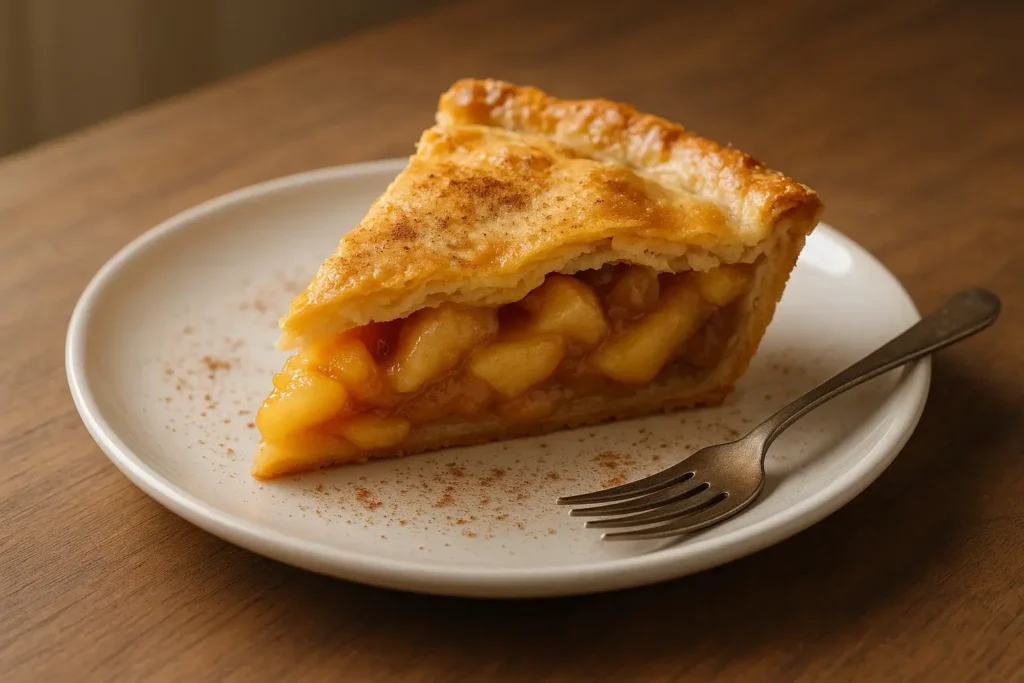
Apple pie is the quintessential American dessert, featuring tender spiced apples encased in a buttery, flaky pastry crust. Often described as being “as American as apple pie,” this iconic dessert has been a beloved tradition in American homes for centuries, symbolizing comfort, hospitality, and home cooking at its finest.
Table of Contents
Historical Origins
Despite its association with American culture, apple pie’s origins trace back to medieval Europe, particularly England. The first recorded apple pie recipe appeared in England in 1381, created by Geoffrey Chaucer’s employer. These early pies, however, were quite different from today’s versions—the crusts were thick and inedible, serving mainly as baking vessels called “coffyns.”
European colonists brought apple seeds and pie-making traditions to the New World in the 17th century. Apples thrived in American soil, and pie became a practical way to preserve the abundant harvest. By the 18th and 19th centuries, apple pie had become deeply woven into American identity, appearing at every meal in some households.
The phrase “as American as apple pie” emerged during World War II, solidifying the dessert’s patriotic symbolism. Soldiers claimed they were fighting “for Mom and apple pie,” cementing its place in American cultural mythology.
Best Apples for Pie
Tart Varieties
Granny Smith apples are the gold standard for apple pie. Their firm texture holds up beautifully during baking, and their bright tartness balances perfectly with sugar and spices. They won’t turn to mush and provide that classic apple pie tang.
Northern Spy apples are favored by many pie purists for their exceptional flavor and ability to maintain structure when baked. Though less commonly available, they’re worth seeking out at farmers markets.
Sweet Varieties
Honeycrisp apples contribute excellent texture and natural sweetness. They’re juicy and hold their shape well, though they can make the filling slightly wetter than firmer varieties.
Golden Delicious apples offer mild, honey-like sweetness and won’t brown as quickly during preparation. They soften more than Granny Smith but add lovely flavor depth.
The Perfect Blend
Most experienced bakers combine apple varieties for optimal flavor and texture. A popular ratio is 60% tart apples (Granny Smith) and 40% sweet apples (Honeycrisp or Golden Delicious). This creates complexity while maintaining structure and balancing sweetness.
Essential Ingredients and Their Roles
The Filling
A classic apple pie filling includes:
- Apples: 6–8 medium apples (about 3 pounds), peeled and sliced ¼-inch thick
- Sugar: ½ to ¾ cup, adjusted based on apple sweetness
- Spices: Cinnamon (1–2 teaspoons), nutmeg (¼ teaspoon), and optional allspice or cardamom
- Thickener: 2–3 tablespoons flour or cornstarch to absorb apple juices
- Acid: 1–2 tablespoons lemon juice to brighten flavors and prevent browning
- Salt: A pinch to enhance all flavors
- Butter: 2 tablespoons dotted on top for richness
The Crust
Perfect pie crust requires just four ingredients: flour, fat (butter or shortening), salt, and ice water. The key is keeping everything cold and handling the dough minimally to create flaky layers. Many bakers swear by a combination of butter (for flavor) and shortening (for flakiness).
Double-crust apple pies can feature a full top crust with decorative vents, a lattice weave, or a crumble topping variation known as Dutch apple pie.
Preparation Techniques
Preventing a Soggy Bottom
The dreaded soggy bottom crust is apple pie’s most common pitfall. Combat this by:
- Brushing the bottom crust with beaten egg white before adding filling
- Pre-cooking the apple filling on the stovetop to release excess moisture
- Using adequate thickener (flour, cornstarch, or tapioca)
- Baking on the lowest oven rack for maximum bottom heat
- Placing the pie on a preheated baking sheet or pizza stone
Pre-Cooking vs. Raw Filling
Raw filling method: Traditional and simpler, where sliced apples are tossed with sugar and spices, then mounded into the crust. This can create a gap between the filling and top crust as apples cook down.
Pre-cooked filling method: Briefly cooking apples before assembling allows them to release moisture and shrink, resulting in a taller, neater pie with no gap under the crust. The filling is more concentrated in flavor.
Achieving the Perfect Dome
For that beautiful, tall apple pie, pile apples high in the center—much higher than seems reasonable. They’ll cook down significantly. Pre-cooking helps maintain height, as does tightly packing the apple slices.
Baking Process
Apple pie typically bakes at 425°F (220°C) for 20 minutes to set and brown the crust, then at 375°F (190°C) for 40–50 minutes until the filling bubbles and apples are tender. Total baking time ranges from 50–75 minutes depending on oven and apple variety.
The pie is done when you see filling bubbling through the vents and the crust is deeply golden. An instant-read thermometer inserted through a vent should read 200°F (93°C) when the filling is fully cooked.
Cooling is crucial—resist cutting into a hot pie! Allow at least 4 hours of cooling time for the filling to set properly. Warm pie is delicious but will be soupy if cut too early.
Regional and Cultural Variations
Dutch Apple Pie
Also called apple crumble pie, this variation features a streusel topping instead of a top crust. The crumbly mixture of butter, flour, sugar, and sometimes oats or nuts adds delightful texture contrast and is slightly easier for novice bakers.
French Apple Pie
Characterized by a sweet crumb topping and often a cream cheese or custard element in the filling, creating a richer, more decadent experience than traditional American apple pie.
Cheddar Apple Pie
A New England tradition, where sharp cheddar cheese is either baked into the crust, melted on top of a warm slice, or served alongside. The salty-sharp cheese creates a surprisingly harmonious contrast with sweet apples.
Tarte Tatin
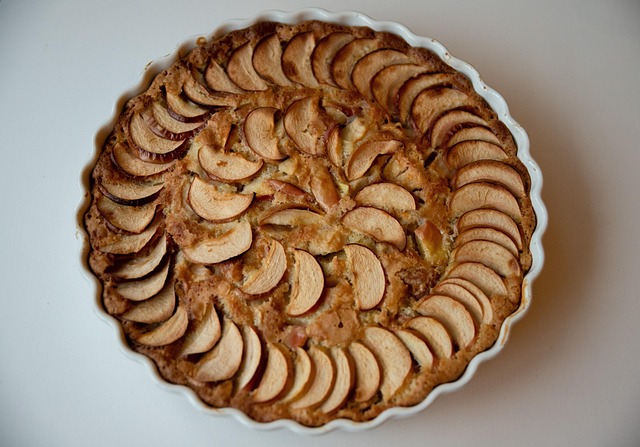
The French upside-down apple tart features caramelized apples baked beneath pastry, then inverted for serving. While technically not a pie, it represents an elegant European interpretation of baked apples in pastry.

Serving Suggestions
Apple pie is traditionally served warm or at room temperature, often accompanied by:
- Vanilla ice cream: The classic à la mode presentation, with cold ice cream melting into warm pie
- Whipped cream: Lighter than ice cream, allowing apple flavor to shine
- Sharp cheddar cheese: A traditional pairing, especially in New England and the Midwest
- Caramel sauce: Adds extra sweetness and luxurious texture
- Custard or crème anglaise: British-style serving with pourable custard
For beverages, apple pie pairs beautifully with hot coffee, spiced cider, or a glass of cold milk.
Storage and Make-Ahead Options
Baked apple pie stores at room temperature for 2 days, refrigerated for up to 5 days, or frozen for 3–4 months. To freeze, wrap cooled pie tightly in plastic wrap and foil. Thaw overnight in the refrigerator and reheat at 350°F (175°C) for 15–20 minutes.
Unbaked apple pies freeze exceptionally well. Assemble completely, freeze solid, then wrap tightly. Bake directly from frozen, adding 20–25 minutes to the normal baking time. This is perfect for make-ahead holiday desserts.
Apple pie filling can be prepared up to 2 days in advance and refrigerated, making assembly quick on baking day.
Nutritional Information
A typical slice of apple pie (one-eighth of a 9-inch pie) contains approximately 300–400 calories, depending on crust type and sugar content. Apples provide dietary fiber, vitamin C, and beneficial antioxidants, though the added sugar and butter significantly increase caloric content compared to fresh apples.
The spices used—cinnamon and nutmeg—offer their own health benefits, including anti-inflammatory properties and blood sugar regulation support, though in small quantities.
Tips for Perfect Apple Pie
Slice uniformly: Cut apples to consistent ¼-inch thickness so they cook evenly. A mandoline makes this easier.
Don’t skip the lemon: Lemon juice brightens flavors, prevents browning, and balances sweetness. It’s not optional!
Vent generously: Whether using a lattice or full top crust, ensure adequate venting for steam to escape, preventing a soggy crust.
Brush with egg wash: A beaten egg brushed on the crust before baking creates that gorgeous golden-brown finish and slight shine.
Protect the edges: Crust edges brown faster than the rest. Use a pie shield or foil collar after 30 minutes of baking.
Common Mistakes to Avoid
Using only sweet apples results in bland, mushy filling that lacks character. Always include some tart apples or add extra lemon juice for balance.
Overworking pie dough develops gluten, resulting in tough, chewy crust instead of flaky layers. Handle dough gently and minimally.
Cutting into pie too soon creates a soupy mess. Patience during cooling allows the thickener to work and the filling to set properly.
Using too little thickener leaves you with apple soup, while too much creates gummy, paste-like filling. Follow recipe guidelines and adjust based on apple juiciness.
Conclusion
Apple pie represents more than just dessert—it’s a symbol of home, tradition, and the comfort of familiar flavors. Whether you prefer yours with a lattice top or crumble topping, served with ice cream or sharp cheddar, made with Granny Smith apples or a carefully curated blend, apple pie remains endlessly adaptable while maintaining its essential character.
The process of making apple pie—from peeling apples to crimping edges to waiting for that first perfect slice—connects us to generations of bakers who came before. It’s a skill worth mastering and a tradition worth continuing, one delicious slice at a time.


